
Seismic Velocities in your LFM
My earlier posts on a-priori low frequency models (LFMs) generated several great discussions – too many to consider here. But

My earlier posts on a-priori low frequency models (LFMs) generated several great discussions – too many to consider here. But

Reading about DHI’s in this month’s AAPG Explorer (July 2025) got me to thinking about flat spots. There are many

In earlier posts, I discussed why LFM’s are necessary, and key issues to consider when building them: — Which horizons
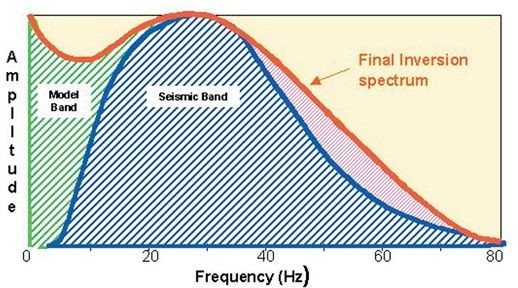
Lately I’ve been thinking about low frequencies, in the context of seismic inversion and low frequency models (LFMs). There are
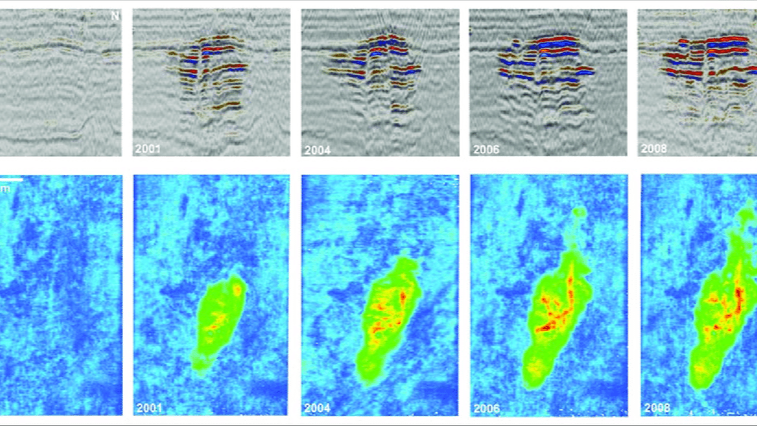
A few weeks ago, Harbour announced the successful Havstjerne CCS exploration well (Southern Norwegian Sea, license EXPL-006) (link). Back before
We know you may have more questions regarding reservoir geophysics. Our goal is to provide clear answers to enhance your understanding. Explore the common questions below for insights, and don’t hesitate to reach out if you need more information.
Reservoir geophysics involves applying geophysical methods to explore and manage subsurface reservoirs. It focuses on using seismic and other data to understand reservoir properties, optimize production, and enhance recovery strategies.
We assess reservoir quality using various techniques, including seismic analysis, petrophysical evaluations, and core sampling. These methods help identify porosity, permeability, and fluid saturation levels, critical for determining a reservoir’s potential.
Data integration in reservoir geophysics refers to combining information from multiple sources, like seismic data and geologic models, to create a comprehensive picture of the subsurface. This approach enhances our decision-making and ensures more robust analyses.
We use industry-standard geophysical software tools tailored to specific project needs. This flexibility allows us to provide accurate interpretations and simulations based on the unique characteristics of each reservoir.
We employ rigorous quality control processes, including regular validation checks, cross-referencing with established datasets, and peer reviews. These steps help us maintain high data integrity throughout the project lifecycle.